
Boating accidents in Kansas can result in serious injuries, long recovery periods, and unexpected financial strain. In many situations, injured individuals may have the right to pursue compensation when another person or entity acted carelessly or failed to follow safety rules. Melinda Young Law helps injured individuals understand their rights and evaluate whether negligence played a role in the incident. The outcome of each case depends on evidence, liability, and Kansas injury law.
When you are facing challenges you never expected, Melinda Young is here to help. She will work with you to build a strong case right away. Your main focus should be on your health and well-being. Let us focus on getting you the best results possible.
Fighting for You.

Boating Accidents and Legal Rights in Kansas 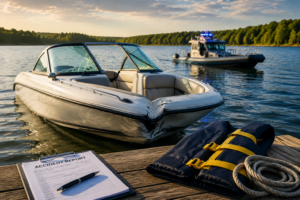
Melinda Young Law represents individuals who suffer injuries in a wide range of accidents across Kansas, including incidents that occur on lakes, rivers, and recreational waterways. Boating is a common activity throughout the state, especially during warmer months when families, tourists, and recreational boaters spend more time on the water. While many boating trips are safe and enjoyable, accidents still occur due to operator negligence, unsafe speeds, intoxicated boating, mechanical failures, or failure to follow basic navigation rules.
When a boating accident happens, the physical and emotional impact can be immediate and severe. Injuries may require emergency treatment, ongoing medical care, rehabilitation, and time away from work. In addition to physical harm, victims often face financial pressure from medical bills and lost income. Understanding whether compensation is available begins with identifying whether another party’s careless or reckless behavior contributed to the accident.
Can You Pursue Compensation After a Boating Accident
In many situations, injured individuals may be able to pursue compensation if another party acted negligently. Negligence in Kansas generally refers to failing to use reasonable care under the circumstances. On the water, this standard applies to boat operators, rental companies, maintenance providers, and others responsible for ensuring safe conditions.
Common examples of negligence include operating a boat under the influence of alcohol, speeding in restricted areas, failing to maintain a proper lookout, ignoring weather conditions, or allowing unsafe equipment to remain in use. When these actions lead to injury, the law may allow victims to pursue financial recovery for their losses.
To succeed in a claim, four key elements are generally considered: duty of care, breach of that duty, causation, and damages. Each element must be supported with evidence, such as witness statements, accident reports, medical records, and physical documentation from the scene.
Melinda is an asset to the city of Hutchinson and its legal community. I know she treats her clients with compassion and professionalism. It's a privilege to provide her an endorsement.
Ethan

Nicholas
Gabriel
Understanding Liability in Water-Related Accidents
Liability in boating incidents can involve more than one responsible party. While the boat operator is often a primary focus, other individuals or organizations may also share responsibility depending on the circumstances.
Boat operators are expected to follow all safety rules and operate vessels responsibly. When they fail to do so, they may be held accountable for resulting injuries. Boat owners may also be responsible if they allowed an unsafe vessel to be used or failed to ensure proper maintenance. Rental companies can face liability if they provide poorly maintained equipment or fail to give adequate safety instructions before allowing use of their watercraft.
In some cases, manufacturers may be responsible if a defect in the boat or its components contributed to the incident. Determining liability requires a careful review of maintenance records, product history, and accident conditions.
Common Causes of Boating Accidents in Kansas
Boating accidents in Kansas occur for many reasons, and understanding these causes can help clarify liability. Operator inattention is one of the leading factors, especially in busy recreational areas where multiple boats share limited space. Even brief distractions can lead to collisions or dangerous navigation errors.
Speeding is another major factor, particularly when operators fail to adjust their speed for water traffic or environmental conditions. Alcohol consumption remains a significant concern in boating safety, as impaired judgment can lead to poor decision-making and delayed reaction times.
Mechanical failure can also contribute, especially when boats are not properly maintained or inspected. In some situations, sudden weather changes create hazardous conditions that require quick decision-making and experience to navigate safely.
Common Mistakes in a Personal Injury Claim Choosing a Car Accident AttorneyRelated Videos
Types of Injuries Resulting from Boating Accidents
Boating incidents can lead to a wide range of injuries, many of which require immediate and long-term medical care. Head injuries are common when passengers are thrown during collisions or struck by equipment. These injuries may have lasting effects and require ongoing treatment.
Spinal cord injuries can occur in high-impact collisions or falls into the water, sometimes resulting in permanent mobility challenges. Broken bones, deep cuts, and internal injuries are also frequently reported. In more severe cases, drowning-related injuries or oxygen deprivation can result in long-term complications.
Cold water exposure can lead to hypothermia, which becomes dangerous very quickly depending on conditions. Each injury type carries its own medical and financial consequences, often requiring extensive recovery time and rehabilitation.
Kansas Comparative Fault Rules
Kansas follows a comparative fault system, which means compensation may be adjusted based on each party’s share of responsibility. If an injured individual is found partially responsible for the accident, their recovery may be reduced by that percentage.
For example, if someone is found to be partially responsible due to unsafe behavior, their total compensation may be reduced accordingly. This system makes evidence especially important, as insurance companies often attempt to shift blame to reduce payout amounts.
Because of this, documentation such as photographs, witness statements, and official reports can play a critical role in establishing what actually occurred.
What to Do After a Boating Accident
Taking the right steps after a boating accident can significantly impact both health outcomes and legal options. Seeking medical attention should always be the first priority, even if injuries are not immediately visible. Some conditions develop symptoms hours or even days after the incident.
Reporting the accident to authorities may also be required depending on the severity of the situation. Gathering information at the scene, including photos, names of involved parties, and environmental conditions, can help preserve important evidence.
It is also important to be cautious when speaking with insurance representatives. Early statements can sometimes be used to limit compensation, so understanding your rights before providing detailed information can be beneficial.
Legal Support for Boating Accident Victims
Boating accident cases often involve detailed investigation and negotiation. Determining fault may require reviewing safety regulations, mechanical conditions, and operator behavior. Insurance companies may attempt to minimize compensation, making strong evidence and preparation essential.
Melinda Young Law assists individuals across Kansas in evaluating their legal options after serious injury incidents. The focus is on identifying responsible parties, gathering evidence, and pursuing fair compensation for medical expenses, lost wages, and other damages related to the incident.
Helpful resources from the firm include:
https://melindayounglaw.com/what-you-should-know-about-a-bus-accident/
https://melindayounglaw.com/7-car-accident-tips/
https://melindayounglaw.com/3-motorcycle-accident-tips/
https://melindayounglaw.com/what-to-do-after-a-pedestrian-accident-injury/
https://melindayounglaw.com/blog/
These resources provide additional guidance on injury situations and common legal questions in Kansas.
Compensation That May Be Available
Depending on the circumstances, compensation may include medical expenses, rehabilitation costs, lost wages, reduced earning capacity, and pain-related damages. In more severe cases, long-term care and ongoing treatment needs may significantly increase the value of a claim. Each situation is unique, and outcomes depend heavily on evidence and liability determination.
Boating accidents can have lasting physical, emotional, and financial consequences. Understanding your rights under Kansas law is an important step toward recovery. Early action, careful documentation, and informed decisions can significantly affect the outcome of a claim. Legal guidance can help clarify options and ensure that all losses are properly considered.
This information is provided for educational purposes only and does not constitute legal advice. Consultation with a qualified attorney is recommended for guidance specific to your situation.