
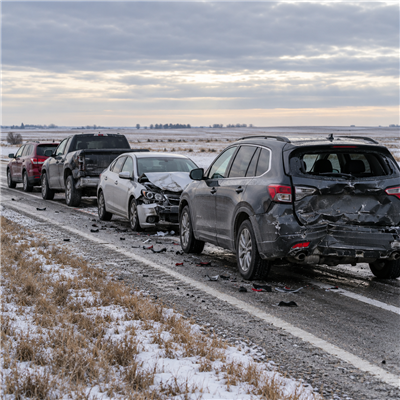
After a holiday multi-car crash in Kansas, more than one driver may be responsible. The order of collisions, each driver’s conduct, and the available evidence affect how fault is divided. Kansas generally permits an injured person to recover negligence damages only when that person’s share of fault is less than 50%. Personal injury protection (PIP) […]
03
Nov
Nov
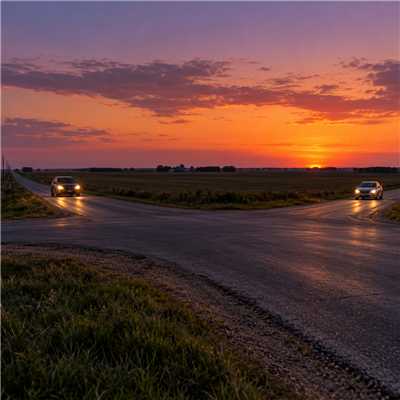
Yes. Early darkness can affect fault in a Kansas car accident when reduced visibility and a driver’s conduct contribute to a collision. Kansas requires most vehicles to display headlights from sunset to sunrise and during specified low-visibility or wet-weather conditions. Drivers must also use a reasonable speed and following distance for conditions. Darkness alone does […]
29
Oct
Oct
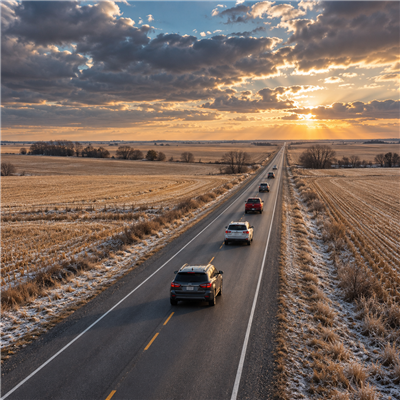
Liability in a Thanksgiving travel accident in Kansas depends on who caused the collision and whether multiple parties contributed to it. Negligent drivers, trucking companies, employers, and other responsible parties may be held accountable under Kansas law. Kansas follows a modified comparative negligence rule, meaning injured individuals may recover compensation when they are less than […]
26
Oct
Oct
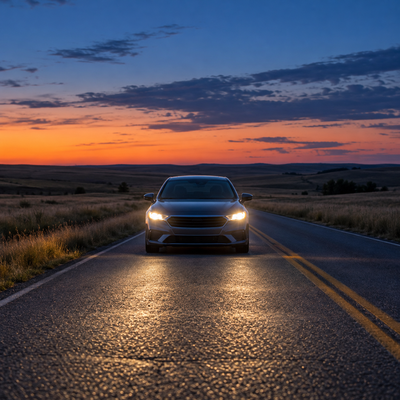
Yes. Headlight visibility can affect a Kansas car accident claim when missing, defective, or excessively bright headlights contribute to a collision. Kansas law requires vehicle lighting from sunset to sunrise, during certain low-visibility conditions, and when windshield wipers are used continuously because of rain, sleet, or snow. The evidence must still connect the lighting problem […]
22
Oct
Oct
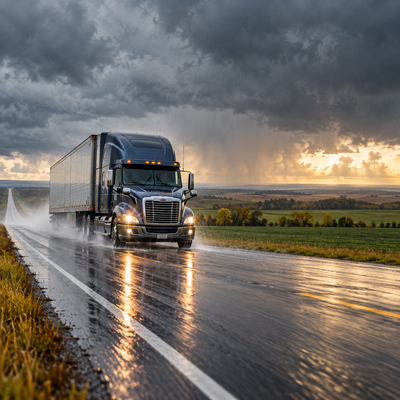
Fall rain can contribute to a Kansas truck accident, but rain alone does not determine who is at fault. Drivers must adjust their speed, following distance, and decisions to match road and weather conditions. When a crash involves a commercial truck, fault depends on evidence of what the driver, trucking company, and any other involved […]
19
Oct
Oct
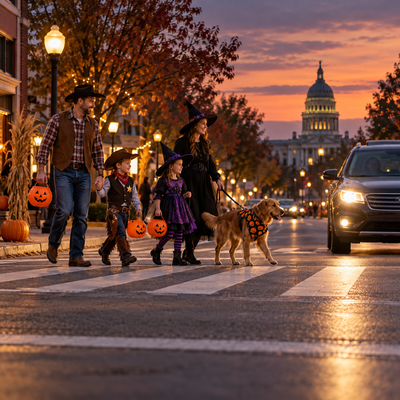
Halloween pedestrian accidents in Kansas may leave negligent drivers, certain property owners, employers, or government entities legally responsible for injuries. Liability depends on who owed a duty of care, what went wrong, and whether that conduct caused the injuries. Kansas law requires drivers to exercise due care around pedestrians, with special precautions when they observe […]

15
Oct
Oct
If a driver swerves to avoid a deer in Kansas and causes a crash, liability depends on what caused the collision and whether the driver used reasonable care under the circumstances. A deer can create a sudden roadway hazard, but its presence does not automatically excuse a driver who crosses the center line, enters another […]
13
Oct
Oct
Summary Yes. Earlier sunsets can affect how fault is evaluated after a Kansas pedestrian accident because reduced daylight may change what a driver or pedestrian could reasonably see and how much time each person had to react. Darkness does not automatically make a driver or pedestrian responsible. Investigators may consider visibility, headlights, streetlighting, vehicle speed, […]

08
Oct
Oct
If you are involved in a deer-related car crash in Kansas, liability depends on what caused the collision. When your vehicle directly strikes a deer and no other driver contributes to the crash, your claim may center on your own insurance coverage. Comprehensive coverage may apply to vehicle damage from a deer strike, while Kansas […]

05
Oct
Oct
Federal hours-of-service rules limit how long many commercial truck drivers may drive and remain on duty before taking required rest periods. If a truck driver violates those limits and a crash occurs in Kansas, the violation may become evidence in determining whether fatigue, unsafe scheduling, or another form of negligent conduct contributed to the collision. […]