
Winter in Kansas often brings snowstorms and icy roads that make driving conditions perilous. When these severe weather conditions contribute to a rideshare accident, it can create confusion about which insurance policy covers the damages. If you find yourself involved in a rideshare crash during a snowstorm, you may wonder which policy pays first, whether it’s the rideshare company’s insurance, the driver’s personal insurance, or your own coverage. This issue is complicated, but understanding the different policies in play and how they interact can help you navigate the situation with more confidence.
When you are facing challenges you never expected, Melinda Young is here to help. She will work with you to build a strong case right away. Your main focus should be on your health and well-being. Let us focus on getting you the best results possible.
Fighting for You.

In this discussion, we will break down how insurance coverage works when a rideshare accident occurs during a snowstorm in Kansas. Knowing the details of each coverage type is vital, especially when winter conditions make the roads hazardous and potentially deadly.
Understanding Rideshare Insurance Coverage 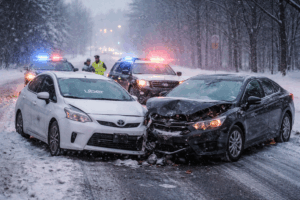
Rideshare services like Uber and Lyft have introduced convenience but also a set of complex insurance considerations that drivers and passengers alike should understand. The critical question is often: Which insurance policy applies first after a crash, especially in a snowstorm?
Rideshare insurance is structured differently depending on the driver’s status. The moment a rideshare driver logs into the app and begins accepting trips, various insurance policies will be at play. Here’s a breakdown of what to expect:
- The Driver’s Personal Insurance Coverage
Before accepting a fare, the driver is covered under their own personal auto insurance. This means that if they are involved in an accident before accepting a ride request, their personal car insurance policy will typically cover the damages. However, this is contingent on the driver having adequate insurance in place, which is something many rideshare drivers fail to fully explore.
If the driver’s personal insurance is inadequate, their coverage might not be sufficient to handle the full costs of an accident, especially if it involves another vehicle or personal injury. In such cases, the passenger’s personal insurance could be called upon, but that brings in a whole new level of complexity, particularly when the accident is caused by winter weather.
Melinda is an asset to the city of Hutchinson and its legal community. I know she treats her clients with compassion and professionalism. It's a privilege to provide her an endorsement.
Ethan

Nicholas
Gabriel
- Rideshare Company Insurance
Once the driver accepts a ride request, the rideshare company’s insurance takes over. Both Uber and Lyft provide liability insurance that comes into effect the moment a driver is on the clock, whether they’re en route to pick up a passenger or already transporting them. This type of insurance includes:
- Liability Insurance: This covers damages to other vehicles, property, or people involved in the accident, if the rideshare driver is at fault. If the accident happens during a snowstorm, the liability insurance is typically the first to cover damage to third parties.
- Comprehensive and Collision Insurance: If the rideshare vehicle is damaged in the crash, whether the driver is at fault or not, this insurance will cover the cost of repairs or replacement of the vehicle. However, it is important to note that rideshare companies often impose a deductible, which the driver must pay before the coverage kicks in.
- Uninsured/Underinsured Motorist Coverage: This is crucial if the at-fault driver does not have insurance or enough coverage to handle the damages. In a snowstorm, where accidents can involve multiple vehicles or pedestrians, this type of coverage may become important, especially if the other driver involved in the crash is uninsured.
In the context of snowy and icy roads, if the driver has accepted a passenger and is involved in a crash, the rideshare company’s insurance will typically be the primary coverage. This is true regardless of the weather conditions, as long as the driver is actively engaged in a rideshare trip.
- Personal Insurance Coverage of the Passenger
If you are a passenger in a rideshare and get injured in an accident, your own personal insurance may come into play, especially if the rideshare company’s insurance is insufficient. This situation typically arises when the driver’s coverage is inadequate or if the crash is caused by the fault of another driver who lacks proper insurance.
For instance, if you have a personal auto insurance policy that includes medical coverage or personal injury protection (PIP), your insurance might help pay for medical bills or other expenses related to the crash. This is important to know if you live in Kansas, a state where auto insurance laws vary widely. Having the right coverage could significantly ease the burden during recovery.
Common Mistakes in a Personal Injury Claim Choosing a Car Accident AttorneyRelated Videos
- The Impact of Winter Weather on Insurance Claims
Weather conditions, especially during snowstorms, can complicate rideshare accident claims. In Kansas, snowstorms often lead to poor visibility, icy roads, and a higher likelihood of accidents. These weather conditions can make it difficult to determine fault, especially in multi-car pileups or accidents caused by drivers who were speeding or driving recklessly in dangerous conditions.
However, insurance companies will generally consider the severity of the weather when determining fault and liability. If an accident occurs due to the snowstorm and the driver was adhering to proper safety protocols, such as driving slowly and maintaining distance, their insurance may cover the damages. If the driver was speeding or acting negligently in adverse conditions, the insurer may try to deny the claim or reduce the amount paid out.
What to Do After a Rideshare Crash During a Snowstorm
If you are involved in a rideshare accident during a snowstorm, it’s essential to take the right steps immediately to protect your rights and ensure your claims are properly filed. Here are the key actions to take:
- Check for Injuries: Always check yourself and others for injuries first. Your safety is paramount, and medical treatment should be your top priority. Call 911 for medical help if necessary.
- Report the Accident: Notify the rideshare company right away. Uber and Lyft have in-app reporting features for accidents, which should be used immediately after the crash. Reporting the incident promptly will help the company document the details and may be important for your claim.
- File a Police Report: In Kansas, it’s important to file a police report after a rideshare accident, especially in winter conditions. This will provide an official record of the crash, which can be useful when dealing with insurance companies. The police will assess the weather and road conditions and determine how they contributed to the crash.
- Document the Scene: Take as many photos as possible of the scene, the damages to the vehicle(s), and any visible injuries. If it’s safe to do so, also gather contact information from witnesses, other drivers, and the rideshare driver.
- Consult with a Personal Injury Lawyer: Rideshare accidents can involve multiple insurance policies, and determining who pays for damages can be a complex process. Consulting with a personal injury attorney who is experienced in handling rideshare accidents will help ensure that you receive the compensation you deserve.
Rideshare accidents during a snowstorm present unique challenges, especially when determining which insurance policy will cover the damages. In Kansas, multiple policies can be involved, including the rideshare company’s insurance, the driver’s personal insurance, and the passenger’s personal insurance. It’s crucial to understand how these policies work together, particularly in winter conditions when accidents are more likely.
If you or a loved one has been involved in a rideshare crash, especially during a snowstorm, Melinda Young Law is here to help. We offer free consultations to discuss your case and help you navigate the complexities of rideshare insurance claims.