
Accidents involving semi-trucks can be some of the most devastating crashes on the road, particularly when they result in a jackknife situation. On highways like US-50 near Hutchinson, Kansas, where traffic can be heavy, the consequences of such an incident can cause immense damage to vehicles, serious injuries, and even fatalities. In the aftermath of a semi-truck jackknife accident, knowing how to preserve key evidence and prove fault is essential to ensuring justice is served.
When you are facing challenges you never expected, Melinda Young is here to help. She will work with you to build a strong case right away. Your main focus should be on your health and well-being. Let us focus on getting you the best results possible.
Fighting for You.

If you have been involved in or witnessed a semi-truck jackknife accident, the steps you take immediately following the event can significantly influence the outcome of any legal claims or insurance settlements. This guide walks you through the necessary steps to take in the event of a semi-truck jackknife accident, outlining how you can protect your rights and preserve vital evidence.
Understanding the Causes of a Jackknife Accident 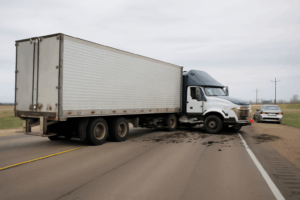
A jackknife accident occurs when the truck’s trailer swings uncontrollably toward the truck’s cab, creating a V-shape. This dramatic event is not only dangerous but can block lanes, pose serious risks to other drivers, and cause significant property damage. The causes of a jackknife accident can vary widely, and each factor plays a critical role in establishing fault.
Some of the most common causes of a semi-truck jackknife include:
- Sudden Braking: When the driver brakes too abruptly, it can cause the trailer to lose traction and swing out of control.
- Poor Weather Conditions: Rain, snow, or icy conditions on roads can make it difficult for truck drivers to maintain control of their vehicles, leading to jackknife accidents.
- Mechanical Failure: Failure of key components, such as brakes or the coupling mechanism between the truck and trailer, can trigger a jackknife incident.
- Driver Error or Negligence: Inexperienced or fatigued truck drivers who make poor decisions, such as driving too fast for road conditions or failing to properly maintain their vehicle, can be the primary cause of these accidents.
Understanding the specific cause of the accident is essential to proving fault. Different causes may involve different parties responsible for the crash, such as the truck driver, trucking company, or even vehicle manufacturers.
Melinda is an asset to the city of Hutchinson and its legal community. I know she treats her clients with compassion and professionalism. It's a privilege to provide her an endorsement.
Ethan

Nicholas
Gabriel
Immediate Actions to Take After a Semi-Truck Jackknife Accident
In the critical moments following an accident, it’s vital to stay calm and take the right actions. Your immediate response can affect your ability to recover damages and hold the responsible parties accountable. Here’s a step-by-step guide to what you should do if you’re involved in a semi-truck jackknife accident on US-50 near Hutchinson:
1. Ensure Safety First
Your safety should always be the top priority after any truck accident. If you’re physically able to do so, move yourself and your passengers to a safe location away from traffic. Turn on your hazard lights to alert other drivers of the accident. If the vehicle is too damaged or the area is too dangerous to move, stay inside and wait for emergency responders.
Even if you feel fine after the crash, it’s important to avoid moving too quickly. Many injuries, such as whiplash or internal trauma, may not be immediately visible but can worsen if not addressed promptly.
2. Document the Scene Thoroughly
One of the most important steps in preserving evidence is documenting the scene of the accident. The more evidence you can gather, the stronger your case will be when proving fault. Here’s what to do:
- Take Photos: Capture clear images of the truck and any other vehicles involved. Make sure to photograph the positions of the vehicles, the damage they sustained, and any other important details, like skid marks, road conditions, or weather.
- Capture Road Conditions: Road conditions can play a significant role in establishing liability, especially if poor road maintenance or hazardous weather contributed to the accident. Take pictures of road signs, potholes, debris, or ice if applicable.
- Record Skid Marks and Debris: Skid marks on the road can indicate the actions taken by the truck driver before the crash, such as abrupt braking or swerving. Take note of any debris that might suggest mechanical failure or another contributing factor.
Common Mistakes in a Personal Injury Claim Choosing a Car Accident AttorneyRelated Videos
3. Collect Information from All Parties Involved
It’s essential to exchange information with all drivers involved in the accident, including the truck driver, other motorists, and any witnesses who saw the crash. Make sure to obtain:
- The names, phone numbers, and addresses of all drivers involved
- Insurance details, including policy numbers and provider information
- The truck driver’s commercial driver’s license (CDL) and license plate number
- The name of the trucking company and the vehicle’s registration number
- Contact information for any witnesses who may have seen the accident unfold
Additionally, try to get the badge number and name of the police officers responding to the scene. Their report will play a key role in proving fault in your case.
4. Preserve Key Evidence from the Truck
One of the most important pieces of evidence in a semi-truck accident is the data stored in the truck’s black box (also known as an Event Data Recorder or EDR). This device records crucial information like:
- Speed at the time of the accident
- Braking patterns
- Any potential mechanical failures
Make sure to notify law enforcement and your attorney about the black box so that they can take the necessary steps to preserve the data before it’s erased. Preserving this information can be pivotal in proving that the driver or trucking company was at fault.
5. Seek Medical Attention
Even if you feel fine, it’s important to get checked by a medical professional after an accident. Some injuries may not show symptoms right away. A doctor’s evaluation will not only ensure your health but also create a medical record that will serve as valuable evidence in your claim.
Be sure to follow all medical instructions and keep detailed records of any treatments or diagnoses. This documentation will help substantiate the severity of your injuries and their connection to the accident.
Proving Fault in a Semi-Truck Jackknife Accident
Establishing fault in a semi-truck jackknife case can be complicated due to the number of parties involved and the multiple potential causes of the accident. To prove fault, you must demonstrate that the responsible party acted negligently or failed to meet the standard of care expected of them.
Here are some common ways that fault is determined in these cases:
- Driver Negligence: If the truck driver was speeding, driving under the influence of alcohol or drugs, or failing to follow traffic laws, they may be held responsible for the accident.
- Trucking Company Liability: In some cases, the trucking company may be held liable if they failed to properly maintain the vehicle, forced the driver to work beyond their hours of service, or neglected safety protocols.
- Mechanical Failure: If a mechanical failure caused the jackknife accident, the manufacturer of the faulty component could be liable for the crash. This might include defective brakes, tires, or coupling mechanisms.
An experienced attorney specializing in truck accidents can help you determine who is at fault and assist you in collecting the necessary evidence to prove your case.
How an Experienced Truck Accident Lawyer Can Help
Proving fault in a semi-truck jackknife accident requires thorough knowledge of trucking laws, accident investigation techniques, and how to handle the insurance claims process. An experienced attorney can guide you through every step of your case, ensuring that you have all the necessary documentation and legal support to strengthen your claim.
Your lawyer will assist with:
- Investigating the Accident: They will help gather witness testimony, analyze physical evidence, and work with accident reconstruction experts to determine the cause of the jackknife.
- Handling Insurance Companies: Trucking companies and their insurers often have teams of adjusters working to reduce their liability. Your lawyer can communicate directly with the insurance companies to ensure you receive fair compensation.
- Negotiating a Settlement: A skilled attorney can negotiate with the insurance company to secure a settlement that adequately covers your medical expenses, lost wages, and other damages resulting from the accident.
If necessary, your lawyer can take your case to court to fight for the compensation you deserve.
A semi-truck jackknife accident on US-50 near Hutchinson, Kansas, can lead to significant physical, emotional, and financial distress. However, by taking the right steps immediately after the incident, you can help preserve vital evidence and ensure a thorough investigation. Remember to document everything, preserve key evidence from the truck, and seek medical attention right away.
If you’ve been involved in a semi-truck accident in Hutchinson or the surrounding areas, it’s essential to contact an experienced truck accident lawyer like the team at Melinda Young Law. They are dedicated to helping victims navigate the complex legal process and secure the compensation they deserve.