
A truck crash can unfold in seconds, yet the questions that follow can last for months. If you were hurt and worried that you may share some blame, you still may have a path forward in Kansas. State law allows injured people to seek compensation even when their own choices played a role, as long as fault stays under a specific threshold. The key is understanding how fault is assigned and how percentages impact your case value. With the right strategy you can protect your claim, correct unfair blame, and focus on healing.
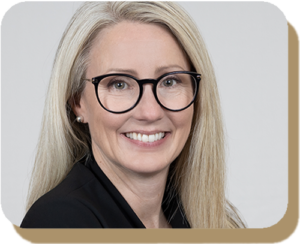
When you are facing challenges you never expected, Melinda Young is here to help. She will work with you to build a strong case right away. Your main focus should be on your health and well-being. Let us focus on getting you the best results possible.
Fighting for You.
Hutchinson and the surrounding stretches of K-61, K-96, and US-50 see steady commercial traffic year round. Harvest season brings more grain trucks to the road. High winds on the open prairie and sudden dust can reduce visibility. These are not excuses for careless driving. They are contexts that often matter when investigators sort out who did what and when. If you think you made a mistake, do not assume that you lost your rights. The law looks at the entire chain of events, not a single moment in isolation.
Why Partial Fault Does Not End Your Claim 
Kansas uses a system that compares the choices of everyone involved. If your share of fault is less than the legal cutoff, you can still recover money for medical bills, lost wages, and pain. The amount you receive is reduced by your percentage of fault. That is why careful documentation and a clear timeline matter. Insurance companies know the math. Shifting five or ten points of blame can lower what they owe. Your job is to keep the percentage fair and grounded in real evidence.
How Kansas Comparative Fault Works
Think of fault as a pie. Each party gets a slice that reflects their role. If your slice is smaller than the cutoff, you remain eligible. Your recovery is then adjusted to match the size of your slice. If you are assigned twenty percent and your damages are one hundred thousand dollars, your net recovery would be eighty thousand dollars. If your slice reaches the legal bar, you cannot collect. This simple example shows why the percentage matters so much and why arguing the facts is often the heart of a truck case.
Melinda is an asset to the city of Hutchinson and its legal community. I know she treats her clients with compassion and professionalism. It's a privilege to provide her an endorsement.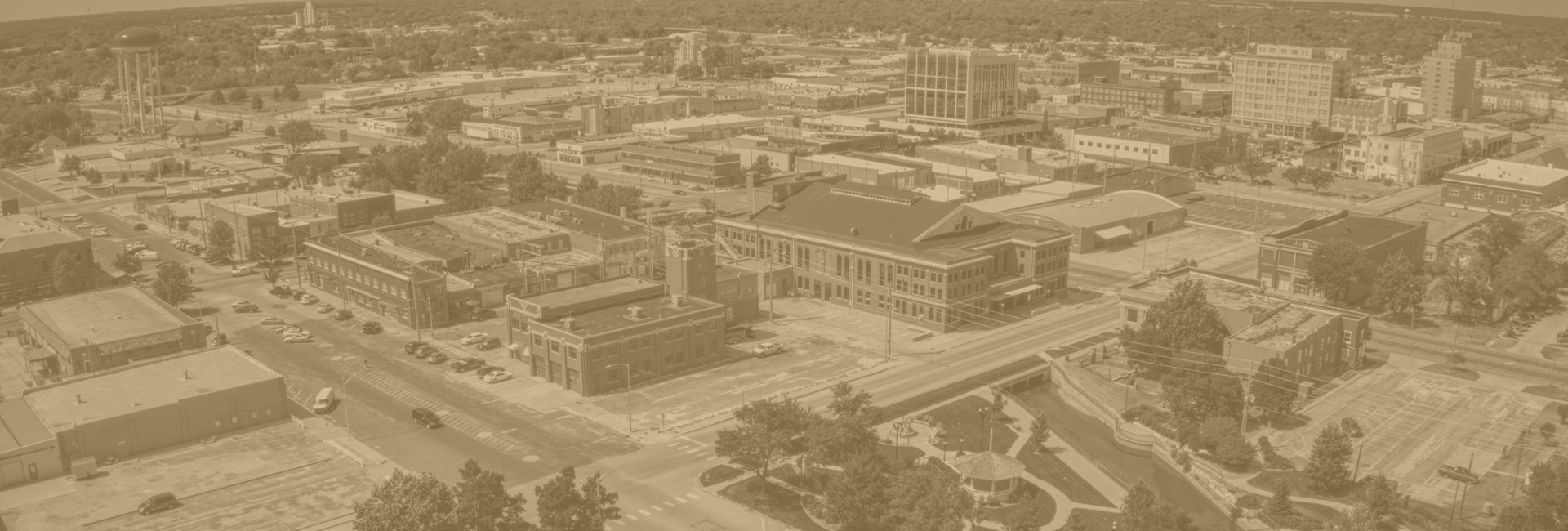
Ethan

Nicholas
Gabriel
How Fault Is Assigned After a Truck Crash
Fault is not decided by hunches. It is built from records, physics, and credible testimony. Police narratives and diagrams set the first draft. Vehicle data such as event recorder downloads show speed, braking, and throttle. Camera footage from dashcams or nearby businesses gives a neutral view. Maintenance records reveal whether the tractor or trailer had issues with brakes or tires. Driver logs and dispatch messages can show fatigue or pressure to meet a schedule. The full picture often points to more than one cause, which is why partial fault findings are common in truck cases.
Common Shared Fault Scenarios Near Hutchinson
You may have been driving a few miles over the limit when a truck drifted across the center line. You may have started a left turn while a tractor trailer accelerated through a stale yellow. You may have failed to signal a lane change while the truck merged early toward an off-ramp. Weather can complicate things. Crosswinds can push a high trailer. Blowing dust can hide brake lights. None of these facts automatically defeat your claim. They simply shape the percentages.
Seat belt use is another frequent issue. Not wearing a belt does not cause a crash. It can make injuries worse. Insurers may argue that a portion of your damages stem from the lack of restraint. Courts address this by assigning a share of fault to injury severity rather than collision cause. The end result still uses the same pie system. This is one more reason to have a lawyer frame the medical story with your doctors.
Common Mistakes in a Personal Injury Claim Choosing a Car Accident AttorneyRelated Videos
Evidence That Can Move The Percentage In Your Favor
Objective records carry weight. A quick photo of skid marks and debris position can later support a reconstruction. A screenshot of a weather radar or highway alert near the time of impact can help explain choices each driver made. A photo of a missing reflective tape section on the trailer can support visibility arguments. If you can, preserve images of cargo securement, conspicuity tape, and underride guards. A truck that is overweight or out of compliance is more dangerous and more likely to be found at fault.
Independent witnesses can change everything. A neutral driver behind you who saw the truck cross the fog line twice can validate your account. A store manager who reviews exterior cameras often can export clips before they loop. Move fast on this. Clips can be overwritten in days. Your attorney can send preservation letters to carriers and shippers to keep black box data and logs from being destroyed.
If you want a deeper primer on building evidence in a Kansas truck claim, review our Kansas truck accident page at https://melindayounglaw.com/kansas-truck-accident/ for a step by step overview written for injured drivers and families.
What You Say To Insurance Can Shift Fault
Insurers record calls. Casual phrases can be used against you. Saying you are sorry or guessing about speed can be spun as an admission. Give only basic facts early. Confirm location, date, and vehicles. Decline to give a full recorded statement until you speak with counsel. If an adjuster asks you to sign a blanket release for prior medical records, pause. Old records can be cherry picked to argue that pain stems from preexisting issues. A measured approach protects your percentage and your privacy.
How Shared Fault Changes Compensation Categories
Percentages affect the total, not the categories you can claim. You can still seek money for emergency care, follow up visits, physical therapy, prescriptions, medical devices, and future treatment. You can still claim lost wages and reduced earning capacity. You can still seek compensation for pain, limitations, and loss of enjoyment. When fault is shared, each category is tallied in full, then the final number is adjusted by the fault slice. This is another reason to document everything well. Good records lift the base number before any adjustment.
Steps To Take After A Crash Even If You Fear You Share Fault
Get checked by a doctor even if pain feels minor. Adrenaline masks symptoms and internal injuries can be silent at first. Follow your treatment plan and keep all appointments. Save receipts and keep a simple notebook of pain levels, sleep issues, and missed events. Photograph injuries over the first few weeks to capture bruising and swelling that fade over time. If your vehicle is declared a total loss, take your own photos before it is moved from the yard. These steps help whether your fault share is zero or something higher.
For quick guidance on preserving your claim, read our practical checklist at https://melindayounglaw.com/4-truck-accident-tips-that-may-help-your-case/ which walks through early moves that often make the biggest difference.
How Expert Witnesses Help In Shared Fault Cases
Experts translate facts into clear cause and effect. A reconstructionist can explain why a stopping distance on a loaded tractor trailer exceeds a passenger car by a wide margin. A human factors expert can explain perception response time in low visibility. A biomechanics expert can address whether a claimed movement could cause a certain injury pattern. When a case involves partial fault, these voices often swing the percentage by anchoring the science. To see how experts fit into a Kansas injury claim, visit our article on this topic at https://melindayounglaw.com/the-role-of-expert-witnesses-in-kansas-personal-injury-cases/
Insurance Tactics To Watch For
A common tactic is the early low number paired with strong talk about your supposed mistakes. Another move is to rely on a police narrative that missed key data such as an event recorder or camera footage. Adjusters may suggest you wait to hire a lawyer while they gather records. Delay helps them control the story. You have the right to representation at every step. Early counsel often prevents small errors that would later inflate your fault share.
When A Prior Injury Exists
Many people bring a medical history into a crash. A sore back does not give a truck driver a free pass. The law separates prior conditions from new aggravations. The at fault party is responsible for the difference. That proof comes from records and doctor opinions. Be candid with your providers and your lawyer about old issues. Honesty allows the medical story to show what changed and why.
For broader tips on organizing your injury claim, this plain language guide can help you get started at https://melindayounglaw.com/personal-injury-tips/
How Melinda Young Law Builds Your Case
Our team treats fault percentages as a moving target that can and should be corrected by evidence. We pull black box data and logs, track down video, and secure expert input when needed. We prepare you for statements so your words support your case rather than harm it. We map medical needs now and in the future so the full picture is clear. We also keep you informed in plain language so you always know what comes next. If your case involves a car or motorcycle impact tied to a truck maneuver, this overview offers more context you may find useful at https://melindayounglaw.com/3-car-accident-injury-tips/
Local Details That Often Matter In Reno County
Road design and traffic rhythm shape choices. Rural intersections without turn lanes invite near misses when heavy trucks need more space to slow. Access points near elevators or plants can stack trucks during harvest. Wind advisories can push high profile trailers and require extra care. These are known issues in central Kansas. A defense team may try to frame these as reasons to blame you. A careful investigation frames them accurately as risks the professional driver and carrier must manage.
When To Call A Lawyer
Reach out as soon as you are stable. Early help preserves evidence, protects your statements, and guides medical documentation. A brief call can outline your options and timeline. There is no obligation to move forward. You will leave the conversation with a clearer picture of what to expect and how to protect the value of your claim.
If you were hurt in a Kansas truck crash and believe you may share some fault, you still have rights worth protecting. Melinda Young Law helps people in Hutchinson and nearby areas understand their options and pursue fair results. Reach out today for a free consultation to discuss your situation and next steps.