
Kansas winters bring harsh conditions, including heavy snowfall and icy roads. For workers involved in snow removal, these conditions create significant risks. Snowplow operators, sidewalk shovelers, and others working to clear roads and properties are exposed to unique hazards, including slips, falls, frostbite, and vehicle accidents. Employers are required by law to take appropriate steps to mitigate these dangers and ensure worker safety. Melinda Young Law understands the importance of maintaining a safe working environment for employees and offers legal counsel to those injured while working in hazardous conditions during the winter months.
While snow removal is crucial to keeping Kansas safe during the winter, it’s also one of the most dangerous seasonal jobs. Understanding the types of injuries that can occur, what employers must do to protect workers, and the legal rights workers have is critical. This piece delves into common winter work injuries, the responsibilities employers must uphold, and the actions workers should take if injured during snow removal.
When you are facing challenges you never expected, Melinda Young is here to help. She will work with you to build a strong case right away. Your main focus should be on your health and well-being. Let us focus on getting you the best results possible.
Fighting for You.

Common Winter Work Injuries in Snow Removal 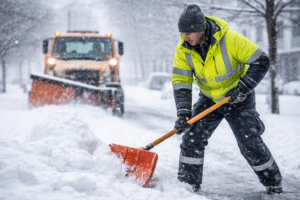
The risks of snow removal go beyond the obvious physical demands of shoveling or operating snowplows. While snow and ice may appear harmless, they can lead to severe injuries if proper precautions are not taken. Common injuries in snow removal include:
1. Slips, Trips, and Falls
The most common injuries in snow removal are caused by slips, trips, and falls. Snow and ice can accumulate on the ground without being immediately noticeable, especially in areas that are not frequently walked on. Workers may lose their footing, leading to falls that can result in serious injuries such as fractures, sprains, and concussions. Slippery surfaces around walkways, parking lots, and rooftops are particularly hazardous, and workers are often expected to navigate these areas in difficult conditions.
Employers must take steps to mitigate these risks by salting surfaces, using proper footwear, and encouraging employees to report any areas that are especially slippery. Workers should be instructed on how to safely navigate icy patches and how to maintain their balance while carrying heavy snow removal equipment.
Melinda is an asset to the city of Hutchinson and its legal community. I know she treats her clients with compassion and professionalism. It's a privilege to provide her an endorsement.
Ethan

Nicholas
Gabriel
2. Frostbite and Hypothermia
Winter work in Kansas exposes workers to freezing temperatures that can lead to frostbite and hypothermia. Frostbite occurs when body parts, typically fingers, toes, ears, or the nose, are exposed to extreme cold for too long, causing the skin to freeze. Hypothermia occurs when the body loses heat faster than it can produce, causing a dangerously low body temperature.
Workers who are not dressed appropriately are at risk of developing these cold-related conditions. Wearing multiple layers of clothing, including waterproof and insulated gear, is essential to maintaining body heat. Employers must provide workers with proper cold-weather clothing, including gloves, hats, and insulated boots, and ensure that breaks are taken to warm up periodically.
3. Back and Musculoskeletal Injuries
Shoveling snow is physically demanding and requires lifting heavy loads, which can strain the back and cause musculoskeletal injuries. Improper lifting techniques, overexertion, and working for extended periods without rest can exacerbate the risk of muscle strains, ligament injuries, and even herniated discs. These injuries can result in long-term pain and disability if not properly managed.
Employers must educate their employees on the proper techniques for lifting snow and using ergonomic tools to avoid strain. Additionally, rotating workers to prevent fatigue and offering mechanical assistance, such as snow blowers or plows, can help minimize the physical stress of the job.
4. Vehicle Accidents
Snow removal often involves the use of large vehicles, such as snowplows and trucks. Driving these vehicles in snowy and icy conditions can be hazardous, particularly when visibility is reduced and roads are slippery. Workers operating snow removal vehicles are at risk of accidents caused by poor road conditions, impaired visibility, and even mechanical failure due to cold temperatures.
To minimize vehicle-related accidents, employers should ensure that snow removal vehicles are well-maintained, equipped with proper safety features, and that drivers are trained to operate them safely in winter conditions. Additionally, workers should follow established routes and be mindful of the specific dangers presented by snow-covered roads.
Common Mistakes in a Personal Injury Claim Choosing a Car Accident AttorneyRelated Videos
Employer Responsibilities in Preventing Winter Work Injuries
In Kansas, employers have a duty to protect their workers, especially when the work involves hazardous conditions like those encountered during snow removal. Here are some key responsibilities that employers must fulfill to ensure worker safety:
1. Providing Protective Gear
Employers must provide their employees with the necessary protective gear to prevent injuries. This includes winter-specific clothing such as insulated jackets, gloves, waterproof pants, and boots with slip-resistant soles. When working with snow removal vehicles, additional protective equipment, such as helmets and reflective vests, may be required.
2. Ensuring Safe Working Conditions
Employers must take steps to minimize risks at the workplace. For snow removal, this means salting or sanding walkways, plowing snow in a timely manner, and clearing ice from critical areas. Employers must also ensure that snow removal equipment is in good working condition and that safety checks are conducted regularly. If an area is too dangerous to work in, it must be temporarily closed off to avoid unnecessary injuries.
3. Providing Adequate Training
Workers must be trained on proper snow removal techniques, the use of equipment, and the risks associated with cold weather. This includes instructing workers on how to lift snow properly, how to use vehicles and snowplows safely, and how to identify symptoms of frostbite and hypothermia. Additionally, employers should provide ongoing safety training to ensure that workers are prepared for new or evolving winter hazards.
4. Offering Workers’ Compensation
If a worker is injured while working in snow removal, the employer is responsible for providing workers’ compensation benefits. These benefits help cover medical expenses, lost wages, and rehabilitation costs. Employers should make sure that workers are aware of their rights and the process for filing a workers’ compensation claim.
5. Regular Breaks and Rest Periods
Working in cold conditions for extended periods of time can lead to fatigue, making workers more susceptible to accidents and injuries. Employers must allow workers to take regular breaks to warm up and rest. Rotating workers between different tasks can also help reduce the risk of strain and exhaustion.
What Workers Should Do If Injured During Snow Removal
If you are injured while working in snow removal, it’s essential to take the following steps to protect your health and your legal rights:
1. Report the Injury Immediately
Notify your employer about your injury as soon as possible. This will help ensure that the incident is documented and that the proper procedures are followed. Reporting the injury right away also ensures that you have access to workers’ compensation benefits.
2. Seek Medical Attention
Even if you believe your injury is minor, it’s important to seek medical attention. This ensures that your injury is properly evaluated and treated. Delaying medical treatment could result in complications, especially if the injury is related to frostbite or hypothermia.
3. Keep Detailed Records
Keep a detailed record of the incident, including when and where it occurred, the severity of the injury, and any treatment received. This documentation will be useful when filing a workers’ compensation claim or if you need to seek legal advice.
4. Consult an Attorney
If your injury was caused by unsafe working conditions, or if you are having difficulty securing workers’ compensation benefits, it’s a good idea to consult with an experienced personal injury attorney. They can help guide you through the claims process and ensure that you receive the compensation you are entitled to.
Snow removal is a necessary but hazardous job, and both employers and workers must be proactive in preventing injuries during the winter months. Employers have a legal obligation to provide a safe working environment, proper protective equipment, and the necessary training to prevent injuries. Workers, on the other hand, should take care to follow safety guidelines and report any injuries promptly.
If you or someone you know has been injured while working in snow removal during the winter months, don’t hesitate to contact Melinda Young Law. We can provide expert guidance and support to ensure your rights are protected and you receive the compensation you deserve.