
Winter weather in Hutchinson, Kansas, can be unforgiving, especially when it comes to road conditions. One of the most dangerous and often overlooked threats during the colder months is black ice. Unlike regular ice that is visible and easy to detect, black ice blends seamlessly with the asphalt, making it difficult for drivers to spot and react in time. The hidden nature of this perilous road condition is one of the primary reasons why so many accidents occur, leaving victims with serious injuries and extensive property damage.
When you are facing challenges you never expected, Melinda Young is here to help. She will work with you to build a strong case right away. Your main focus should be on your health and well-being. Let us focus on getting you the best results possible.
Fighting for You.

While black ice is dangerous anywhere, Hutchinson’s unique topography and weather patterns make it even more hazardous for drivers. The unpredictability of Kansas winters, with rapid shifts in temperature and freezing rain, creates the perfect conditions for black ice to form quickly, often without warning. Drivers in Hutchinson are left with limited time to make critical decisions, which can result in severe crashes when black ice is present. In this discussion, we will delve into why black ice is so dangerous, the steps you should take if involved in an car accident, and how to gather the evidence that will strengthen your case in the event of a personal injury claim.
Understanding Black Ice and Why It’s So Dangerous 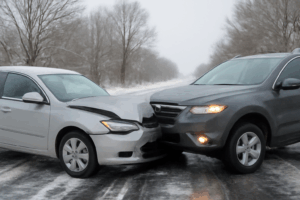
Black ice, also known as invisible ice or “black ice,” forms when the air temperature is at or below freezing, and rain or snow melts onto the road’s surface. Because it’s thin and transparent, it is virtually invisible to the naked eye, which makes it particularly dangerous for drivers who are unaware of its presence. Unlike regular ice, which is white or frosty, black ice takes on the color of the road beneath it, making it almost impossible to detect until it’s too late.
This type of ice can form on any surface, but is most commonly found on bridges, overpasses, intersections, and areas where water may pool or runoff. The black ice problem is exacerbated in urban and suburban areas like Hutchinson, where roads are often shaded by buildings and trees, blocking sunlight from warming the road surface. In these areas, black ice can form overnight when temperatures drop and freeze any remaining moisture on the roads. While drivers may expect to drive on dry pavement, they can suddenly encounter black ice, leading to a sudden and often uncontrollable slide.
Why Drivers Struggle with Black Ice:
- No Visual Cues: Because it’s nearly invisible, drivers don’t have the usual visual warnings like frost or ice patches.
- Abrupt Loss of Control: A vehicle’s tires lose traction on black ice, making it hard to steer or brake, especially when traveling at higher speeds.
- Increased Risk During Early Morning and Evening Hours: Black ice is most likely to form during the overnight hours or early mornings when temperatures are lowest. It’s also a concern during evening rush hours as the roads cool down rapidly after the sun sets.
- Tendency for Drivers to Overcorrect: When drivers realize their car is skidding, they often overcorrect the steering, which can lead to even more severe accidents.
Identifying the Impact of Black Ice on Hutchinson Roads
In Hutchinson, the formation of black ice is most common during early morning hours and late evening when the temperature drops after sunset. However, black ice can form at any time during the winter months if conditions are right. With unpredictable weather patterns in Kansas, even experienced drivers may find themselves unprepared for the sudden and treacherous conditions caused by black ice. The geographic features of Hutchinson, including local bridges, intersections, and rural roads, increase the likelihood of encountering black ice, making it a major concern for local drivers, especially during the months of November through March.
Melinda is an asset to the city of Hutchinson and its legal community. I know she treats her clients with compassion and professionalism. It's a privilege to provide her an endorsement.
Ethan

Nicholas
Gabriel
Black ice is especially hazardous because it does not give drivers the usual signs that they are about to encounter a slippery surface. Unlike snow or slush, which slow down vehicles and create visible signs of hazardous conditions, black ice remains smooth and clear, making it nearly impossible to spot until after the accident occurs. When cars hit black ice, they can instantly lose control, causing the driver to slide across the road, often leading to collisions with other vehicles or objects such as guardrails, trees, or buildings. The severity of these crashes often results in significant injuries or fatalities.
Given Hutchinson’s weather patterns, local drivers need to be vigilant about checking weather forecasts and road conditions, especially when traveling at night or early in the morning. A critical factor in avoiding accidents caused by black ice is understanding the risks and adjusting driving behavior accordingly.
Collecting Evidence After a Black Ice Car Crash
If you have been involved in a black ice crash in Hutchinson, gathering evidence is crucial in establishing the cause of the accident and proving negligence, especially in cases involving injuries. The nature of black ice accidents is complex because the ice is often invisible, and the conditions leading to the crash may not be immediately clear to investigators, insurance companies, or the courts. Below are essential types of evidence that can strengthen your claim.
Common Mistakes in a Personal Injury Claim Choosing a Car Accident AttorneyRelated Videos
- Dashcam and In-Car Camera Footage
Dashcam footage is one of the most valuable forms of evidence in black ice accidents. If you or any other drivers involved in the accident have a dashcam, this footage can provide an exact account of the moments leading up to the crash. The video can show the road conditions, the vehicle’s behavior, and any immediate actions taken by the driver. In cases where black ice is the cause of the accident, dashcam footage can clearly demonstrate how the road was slick and how other drivers may have been affected by it. This evidence can also help refute any claims that the driver was speeding or driving recklessly, offering a clearer picture of the road conditions that contributed to the crash.
- Photos of the Accident Scene
Immediately following the crash, if it’s safe to do so, take detailed photographs of the accident scene. These images should focus on the road conditions, showing areas where black ice may have been present, as well as any other contributing factors, such as weather conditions, tire tracks, and surrounding road conditions. It’s important to capture the details of the pavement, especially if the ice is visible in areas that may have caused you to lose control of the vehicle. Photographs of damage to your vehicle and any injuries sustained in the crash can also be crucial in establishing the severity of the accident.
- Police Reports
When law enforcement arrives on the scene of a crash, they will often create a report that includes details about the conditions at the time of the accident. This report can be valuable in proving that black ice contributed to the accident. The police officer may document weather conditions, witness statements, and any traffic violations or other relevant information that could help establish fault. In the case of a black ice accident, the officer may note the ice’s presence or mention that the road was slick, which could serve as a strong point in your favor.
- Expert Testimony
In more complex cases, especially when there is disagreement about the cause of the accident, expert testimony can be crucial. Accident reconstructionists or meteorologists can provide valuable insight into the conditions on the road at the time of the crash. They can analyze weather patterns, temperature reports, and accident details to determine how black ice likely contributed to the crash. These experts can also testify about how black ice behaves and why it is so difficult for drivers to detect, which could further substantiate your claim of negligence.
- Witness Testimonies
If there were any other drivers, pedestrians, or bystanders who witnessed the accident, their statements can also be crucial. Witnesses can confirm the road conditions and describe how the accident unfolded. If any witnesses saw vehicles losing control on the same stretch of road due to black ice, their testimony could be instrumental in proving the existence of hazardous conditions.
Legal Implications and Insurance Considerations
In Hutchinson, many insurance companies may attempt to avoid covering claims related to black ice, arguing that the driver should have been more cautious. However, if evidence can clearly show that black ice was the cause of the accident, it may be possible to challenge such claims. Understanding how insurance companies approach these accidents and knowing your rights can make a significant difference in the outcome of your claim.
Insurance Claims and Black Ice:
Insurance companies may question the presence of black ice or argue that the driver was not sufficiently cautious. They may claim that the driver should have slowed down or exercised more caution. However, strong evidence, such as photos, dashcam footage, and expert testimony, can help counter these arguments. Additionally, if the road where the accident occurred was not properly treated or lacked appropriate warnings about black ice, it may be possible to hold local authorities accountable for negligence.
What to Do After a Black Ice Accident
If you’ve been involved in a black ice accident in Hutchinson, here are the steps you should take to protect your rights and strengthen your claim:
- Ensure Safety First: Make sure you are out of harm’s way and call for emergency help if necessary.
- Gather Evidence: Take photographs of the scene, gather witness contact information, and secure any available dashcam footage.
- File a Police Report: Ensure that the police document the road conditions and accident details.
- Consult with an Experienced Personal Injury Lawyer: A personal injury lawyer familiar with black ice accidents can help you navigate the complexities of the case and secure the compensation you deserve.
Black ice car crashes in Hutchinson are a serious concern, especially during the winter months when the risk of encountering this invisible danger is high. Gathering solid evidence after a crash is crucial for proving fault and securing compensation for injuries sustained in such accidents. By documenting the scene, collecting witness statements, and seeking professional legal help, you can ensure that your personal injury claim is as strong as possible.
If you’ve been injured in a black ice crash, Melinda Young Law is here to provide the support and legal expertise you need. Contact us today for a free consultation and let us help you pursue the justice you deserve.