
Kansas, with its expansive rural roads and abundant wildlife, presents a unique set of challenges to drivers, especially during the peak rut season. The rut, or mating season for deer, runs from mid-November to early December, and during this time, the risk of deer-related accidents increases significantly. These accidents often leave drivers with significant vehicle damage, injuries, and sometimes even fatalities. If you’ve been involved in a deer collision in Reno County, it’s essential to understand your rights, the process for making a claim, and how an experienced lawyer can help you navigate this challenging situation.
When you are facing challenges you never expected, Melinda Young is here to help. She will work with you to build a strong case right away. Your main focus should be on your health and well-being. Let us focus on getting you the best results possible.
Fighting for You.

Understanding the Risk During Peak Rut in Kansas 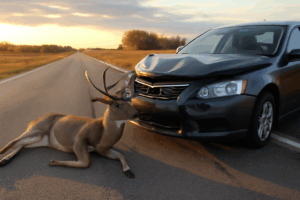
Kansas sees a significant number of wildlife-related accidents during the rut season, a time when deer are more active and erratic in their movement. Male deer, or bucks, are primarily responsible for these collisions as they chase females in search of mating opportunities. The risk of collisions rises during the dawn and dusk hours, as deer are more likely to cross roads in search of food or mates at these times.
In Reno County, rural roads and highways are particularly prone to these accidents due to the county’s vast agricultural land and abundant forests. For drivers, this means a heightened risk of encountering deer on the road, especially on less-traveled highways where the deer population is higher. Drivers need to be vigilant, especially as the weather turns colder and days grow shorter, limiting visibility.
Why Deer Collisions Are More Dangerous Than You Think
While hitting a deer may seem like a relatively minor issue, the reality is far more complicated. Deer collisions often cause significant damage to vehicles, injuries to occupants, and even fatalities in some tragic cases. The vehicle’s damage can be extensive, as deer are large animals, and the force of a collision can result in costly repairs. Moreover, hitting a deer at high speed can cause the driver to lose control of the vehicle, leading to accidents such as rollovers or collisions with other vehicles.
Another dangerous aspect of deer collisions is the unpredictability of the animals. Unlike other types of accidents, where the cause is typically human error or environmental factors, a deer collision often occurs without warning. Drivers must react quickly, but the limited reaction time makes it difficult to avoid hitting the deer once it appears on the road.
Melinda is an asset to the city of Hutchinson and its legal community. I know she treats her clients with compassion and professionalism. It's a privilege to provide her an endorsement.
Ethan

Nicholas
Gabriel
What to Do Immediately After a Deer Collision in Reno County
If you’ve been involved in a deer collision, the most important thing is to stay calm and follow the necessary steps to ensure your safety and protect your legal rights. Below are the key steps to take after a deer collision:
Ensure Safety First
After the collision, the first thing you need to do is ensure that you and your passengers are safe. If possible, pull your vehicle off the road to avoid further accidents. Turn on your hazard lights to make other drivers aware of the situation. If anyone is injured, call 911 immediately and request medical assistance.
Call the Authorities
Even though a deer collision is often seen as an accident caused by wildlife, it’s still essential to call the authorities. Local law enforcement, such as the Reno County Sheriff’s Department or highway patrol, can create a formal report of the accident, which will be necessary for your insurance claim. The officer can also assist in removing the deer from the road and ensuring that traffic flow is not obstructed.
Document the Scene
One of the most crucial aspects of handling a deer collision is to document the scene thoroughly. Take pictures of your vehicle’s damage, the location of the accident, and any relevant road conditions. If the deer is still on or near the road, photograph the animal as well. These images can be invaluable in supporting your insurance claim and any potential legal action.
Notify Your Insurance Company
Once you are safe and the authorities have been called, it’s time to notify your insurance provider. Depending on your policy, deer collisions may be covered under your comprehensive coverage. However, it’s essential to understand your specific coverage and what is required to process the claim. If the accident involved serious damage to your vehicle, your insurance company may require you to provide detailed documentation and photographs to support your claim.
Common Mistakes in a Personal Injury Claim Choosing a Car Accident AttorneyRelated Videos
When to Consult a Personal Injury Lawyer in Reno County
While most deer collisions are handled through insurance, there are times when the situation becomes more complex. If the collision caused significant personal injury, property damage, or if your claim is contested, it may be necessary to consult with a personal injury attorney. Here are some instances when you should consider reaching out to a lawyer:
- Severe Vehicle Damage: If your vehicle is severely damaged and the repair costs exceed your policy’s deductible, an attorney can help ensure that your insurance covers the full amount.
- Personal Injury: If you or a passenger sustained injuries, you may be entitled to compensation for medical bills, lost wages, and pain and suffering. A lawyer can help you evaluate the strength of your case and whether you should pursue compensation beyond your insurance policy.
- Disputed Insurance Claims: If your insurance company denies your claim or offers a settlement that is lower than the damages sustained, a lawyer can negotiate on your behalf to ensure a fair settlement.
Dealing with wildlife-related accidents can be complex, especially if they result in injuries or significant property damage. An experienced personal injury lawyer in Reno County can help you navigate these challenges, ensuring that you are fully compensated for your losses.
How Melinda Young Law Can Help You with Deer Collision Claims
At Melinda Young Law, we specialize in helping clients navigate the aftermath of accidents, including deer collisions. With our in-depth knowledge of Kansas law and experience handling personal injury claims, we can assist you in several key areas:
Insurance Negotiation
Insurance companies are often reluctant to pay out full claims, and it’s not uncommon for drivers to receive lower-than-expected compensation. Our team at Melinda Young Law can help you negotiate with your insurer to ensure that you are paid fairly for your vehicle’s damages and injuries.
Comprehensive Accident Investigation
In some cases, it’s essential to investigate the accident further. For example, if the deer collision was caused by a road hazard or poorly maintained signage that prevented you from avoiding the animal, we can help gather evidence to support your claim and hold the responsible parties accountable.
Legal Representation
If your case goes to court, having a lawyer who is familiar with personal injury law in Kansas is crucial. At Melinda Young Law, we will represent your interests in court, ensuring that your voice is heard and that you receive the compensation you deserve for your damages and injuries.
Protecting Your Rights and Ensuring a Fair Outcome
Whether it’s through negotiating with your insurance company, gathering evidence for your case, or providing strong legal representation in court, Melinda Young Law is committed to ensuring that you are fully compensated for your deer collision. Our team of experienced attorneys understands the unique challenges posed by wildlife accidents and will work diligently to protect your rights.
Reach Out to Melinda Young Law for a Free Consultation
If you’ve been involved in a deer collision during the peak rut season in Reno County, don’t wait to seek legal help. Contact Melinda Young Law today for a free consultation. Our experienced attorneys are here to help you navigate the legal complexities of your case and ensure that you receive the support you need during this challenging time.