
If an uninsured driver causes a crash in Kansas, the lack of liability insurance does not always end your ability to seek compensation. Your own uninsured motorist coverage, personal injury protection benefits, collision coverage, or another applicable policy may help with injuries and financial losses. A claim may also involve another driver, a vehicle owner, an employer, a business, or another party that shares legal responsibility.
The right path depends on the policy language, who caused the collision, the available evidence, the nature of your injuries, and whether another person or business contributed to the crash. Prompt medical care, a police report, timely insurance notice, and organized records can help protect your health and your claim.
Melinda Young Law helps injured people in Hutchinson, Kansas, and communities across the state identify available insurance, preserve evidence, and understand the claim process. The firm offers free consultations for Kansas personal injury matters.
An uninsured driver does not necessarily mean an uninsured claim. Several policies or responsible parties may provide a path to compensation.
When you are facing challenges you never expected, Melinda Young is here to help. She will work with you to build a strong case right away. Your main focus should be on your health and well-being. Let us focus on getting you the best results possible.
Fighting for You.

Why an Uninsured Driver Claim Is Different 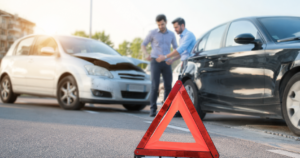
A typical car accident claim starts with the at-fault driver’s liability insurer. When the responsible driver has no active policy, the focus often shifts to coverage connected to you, your household, the vehicle you occupied, or another responsible party.
You paid premiums and may expect your insurer to pay your claim without resistance. An uninsured motorist claim is still an insurance claim. The carrier may investigate fault, question whether your treatment was related to the crash, review policy exclusions, or dispute the amount of your losses.
Report the accident promptly, comply with reasonable policy requirements, and avoid signing a release before you understand every claim the document may affect. A Kansas car accident lawyer can review the complete policy instead of relying only on the declarations page.
Option 1: Make an Uninsured Motorist Claim
Kansas law generally requires automobile liability policies issued for vehicles registered or principally garaged in the state to include uninsured motorist coverage. The coverage applies to bodily injury or death caused by an uninsured owner or operator. Kansas uninsured motorist coverage also includes an underinsured motorist provision. A named insured may reject coverage above the statutory minimum in writing, and policy limits, exclusions, and other terms can affect the amount available.
An uninsured motorist claim may require proof that:
- The other driver was negligent.
- The driver or vehicle lacked applicable liability insurance.
- You qualified as an insured under the policy.
- The collision caused your injuries.
- Your medical care, lost income, and other damages are supported by records.
- You complied with notice, cooperation, and lawsuit requirements.
Request a complete certified copy of every policy that may apply. A declarations page may show limits, but it may not include definitions, endorsements, exclusions, notice duties, consent provisions, or dispute procedures.
Hit-and-run crashes can also raise uninsured motorist issues. Policy language and evidence requirements may affect the claim, especially when there was no physical contact with the unidentified vehicle. The firm’s hit-and-run accident resources explain related concerns.
Melinda is an asset to the city of Hutchinson and its legal community. I know she treats her clients with compassion and professionalism. It's a privilege to provide her an endorsement.
Ethan

Nicholas
Gabriel
Option 2: Use Personal Injury Protection Benefits
Kansas automobile policies generally include personal injury protection, commonly called PIP. These no-fault benefits may pay certain covered losses after a crash without requiring you to prove that the uninsured driver caused the accident.
Depending on the policy and the circumstances, PIP may help with:
- Medical expenses.
- Rehabilitation costs.
- Disability or wage-related losses.
- Substitution services.
- Funeral expenses.
PIP has limits and does not replace every part of a personal injury claim. Uninsured motorist coverage may address covered losses beyond PIP, including damages that require proof of fault. The insurer may also coordinate benefits to prevent duplicate payment for the same loss.
Keep copies of medical bills, benefit statements, wage records, mileage logs, prescriptions, and insurer letters. Missing records can delay payment or create disputes about whether an expense was reasonable, necessary, and related to the collision.
Option 3: Review Collision and Other Property Coverage
Uninsured motorist bodily injury coverage is not the same as property damage coverage. If your vehicle was damaged, collision coverage may pay for repairs or the vehicle’s actual cash value after a total loss, subject to the deductible and policy terms.
Other possible benefits may include:
- Rental reimbursement.
- Towing and labor coverage.
- Gap coverage on a financed or leased vehicle.
- Coverage for personal property damaged in the crash.
- Roadside assistance or storage benefits.
Save photographs, repair estimates, towing invoices, storage bills, rental receipts, loan documents, and records showing the vehicle’s condition before the accident. Read the firm’s guide to car accident insurance investigations for more information about the evidence insurers may review.
Common Mistakes in a Personal Injury Claim Choosing a Car Accident AttorneyRelated Videos
Option 4: Identify Other Responsible Parties and Policies
The uninsured driver may not be the only person or business connected to the collision. A careful investigation may uncover another source of liability or insurance.
Depending on the facts, the claim could involve:
- A vehicle owner who negligently entrusted the vehicle to an unsafe driver.
- An employer whose employee caused the crash while performing work duties.
- A commercial, delivery, or rideshare policy.
- A contractor responsible for an unsafe roadway condition.
- A vehicle or component manufacturer.
- Another driver whose actions contributed to the collision.
These claims require evidence connecting the other party’s conduct to the crash. Vehicle ownership alone does not always create liability. An unsafe road condition does not automatically make a government entity or contractor responsible. Claims involving a government body may also have special notice rules and deadlines.
The Kansas car accident lawyers page explains how legal counsel may investigate drivers, vehicle owners, employers, businesses, and insurers connected to a crash.
Option 5: Consider a Claim Against the Uninsured Driver
You may have a direct legal claim against the driver who caused the accident. The practical question is whether the driver has income, assets, or another source of coverage that could satisfy a settlement or judgment.
Some uninsured drivers have few collectible resources. Others may own property, have employment income, live in a household with another applicable policy, or have coverage that was not identified at the scene. A coverage denial may also be incorrect or incomplete.
A direct lawsuit involves filing requirements, service rules, evidence, court deadlines, and possible collection problems. It should be evaluated as one part of the larger insurance and liability investigation instead of being treated as the only option.
What to Do After a Crash With an Uninsured Driver
The steps you take after the collision can affect your health and your ability to document the claim.
- Call law enforcement and request an accident report.
- Seek medical care promptly, even when symptoms seem manageable.
- Photograph the vehicles, roadway, traffic controls, license plates, and visible injuries.
- Collect witness names and contact information.
- Exchange information without arguing about fault.
- Notify your insurer promptly.
- Ask whether separate claim numbers are needed for PIP, uninsured motorist, and property damage claims.
- Preserve damaged property, receipts, medical records, and insurer communications.
- Avoid posting about the crash or your recovery on social media.
- Do not sign releases or broad authorizations before understanding their effect.
A police report does not decide civil liability by itself, but it may document identities, statements, insurance information, witnesses, citations, and road conditions.
You Still Need to Prove Fault and Damages
Uninsured motorist coverage does not create automatic payment. You generally must show that the uninsured driver was negligent and that the collision caused the injuries and losses you claim.
Kansas follows modified comparative negligence. You may recover damages when your negligence is less than the combined causal negligence of the party or parties against whom you seek recovery. Your award is reduced by your percentage of fault. Recovery is generally barred when you are 50 percent or more at fault.
Evidence may include:
- Crash photographs.
- Vehicle damage.
- Witness statements.
- Police records.
- Traffic or business video.
- Medical records.
- Wage documentation.
- Phone records.
- Vehicle event data.
The firm’s comparative negligence resources provide more information about shared fault in Kansas injury claims.
What Compensation May Be Available?
A supported claim may seek compensation for covered losses such as:
- Emergency care, hospitalization, therapy, medication, and future treatment.
- Lost income and reduced earning ability.
- Pain, physical limitations, and loss of normal activities.
- Scarring, disability, or permanent impairment.
- Transportation and other documented out-of-pocket costs.
- Wrongful death losses when a collision is fatal.
Kansas law places a threshold on recovery of pain, suffering, mental anguish, inconvenience, and other nonfinancial losses in many motor vehicle injury cases. The injured person generally must show medical treatment with a reasonable value of at least $2,000 or a qualifying injury, such as certain fractures, permanent disfigurement, permanent injury, loss of a body member, permanent loss of a bodily function, or death.
The amount available depends on the evidence, policy limits, coverage terms, injury severity, comparative fault, the tort threshold, and any other insurance. No attorney or insurer can determine the value of a claim from the fact that the other driver was uninsured alone.
Deadlines and Policy Duties Require Early Attention
Kansas generally applies a two-year limitations period to many personal injury actions, but the correct deadline depends on the claim. Different rules may apply to insurance contract disputes, claims against government bodies, minors, wrongful death matters, or other circumstances.
Policy duties may require action much sooner. Notice, proof-of-loss, cooperation, consent-to-settle, and lawsuit provisions can affect a claim. Settlement discussions do not necessarily stop a filing deadline.
Review the firm’s guide to the Kansas personal injury statute of limitations and seek advice about the date that applies to your situation.
Discuss Your Kansas Uninsured Driver Claim
An uninsured driver accident can leave you managing medical treatment, missed work, vehicle damage, and several insurance claims at the same time. Melinda Young Law offers free consultations and can review the crash, available policies, evidence, and deadlines that may apply.
To discuss an uninsured motorist claim in Hutchinson, Kansas, or another Kansas community, call 620-501-8080 or use the firm’s contact page.
This article is for informational purposes only and is not legal advice. Consult an attorney about your specific situation.