
The arrival of spring often brings relief after months of winter weather. However, as the snow and ice begin to melt, new dangers emerge for drivers. These spring thaw conditions can lead to an increase in car accidents. This article explores the risks that come with the thawing process, including potholes, black ice, and flooding, and provides safety tips to protect you and your loved ones from potential accidents.
When you are facing challenges you never expected, Melinda Young is here to help. She will work with you to build a strong case right away. Your main focus should be on your health and well-being. Let us focus on getting you the best results possible.
Fighting for You.

Introduction to Spring Thaw Hazards 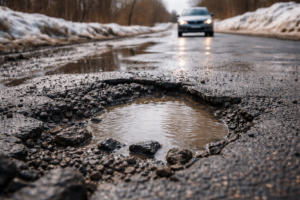
The transition from winter to spring is a much-anticipated change for many people, as it signals warmer weather and the end of harsh cold conditions. However, spring’s arrival brings with it unique dangers on the road, particularly due to the spring thaw. As snow and ice melt, the roadways can become hazardous, increasing the likelihood of accidents. Melinda Young Law understands the risks that drivers face during this time of year and wants to ensure that everyone is aware of how to navigate these dangers safely.
The combination of fluctuating temperatures, melting snow, and rising rainwater creates a recipe for road hazards. Drivers who are unprepared for the changes in road conditions are more likely to be involved in accidents. In this guide, we will discuss how the melting snow affects roads, the types of hazards that result, and what you can do to stay safe.
The Creation of Potholes and Road Damage
One of the most well-known hazards of the spring thaw is the creation of potholes. These craters in the road surface are not only a nuisance but also a serious danger to drivers. As the winter snow and ice begin to melt, water seeps into cracks and fissures in the pavement. During colder nights, this water refreezes, causing the cracks to expand. As the freeze-thaw cycle repeats, the pavement breaks apart further, and potholes form.
Potholes can be particularly dangerous for several reasons. They can be deep enough to cause significant damage to your vehicle’s tires and suspension system. Hitting a pothole at high speeds can even cause a blowout or lead to a loss of control of the vehicle. In some cases, drivers may not even see the potholes due to rain or fog, increasing the likelihood of an accident.
Melinda is an asset to the city of Hutchinson and its legal community. I know she treats her clients with compassion and professionalism. It's a privilege to provide her an endorsement.
Ethan

Nicholas
Gabriel
How to Avoid Potholes:
- Drive cautiously: If you notice a damaged or uneven stretch of road, slow down. The faster you drive, the more severe the impact of hitting a pothole can be.
- Steer clear of puddles: Puddles can often mask potholes. If you can, avoid driving through large puddles, especially in areas where the road appears to be in poor condition.
- Report potholes: If you notice a pothole, report it to your local authorities to have it repaired as soon as possible. This helps keep the roads safer for everyone.
Black Ice and Slippery Roads
Another significant danger of the spring thaw is black ice, a thin, transparent layer of ice that forms on roadways. Black ice is particularly dangerous because it’s nearly invisible to the naked eye, and it’s often found in shaded areas, on bridges, or in low-lying regions where cold air collects. During the spring thaw, temperatures fluctuate, and when it’s cold at night, the moisture left on the road can freeze, causing black ice to form without warning.
Drivers may think that winter conditions are behind them, only to suddenly encounter slippery patches of black ice. This can lead to vehicles skidding off the road or losing control. Early mornings or late evenings when temperatures are still low are especially hazardous, as black ice tends to form overnight and last well into the day.
How to Stay Safe on Black Ice:
- Slow down: Driving at lower speeds gives you more time to react to unexpected slippery spots.
- Maintain a safe distance: Allow extra space between you and other vehicles. If another car slides out of control, you’ll have more room to avoid a collision.
- Avoid sudden movements: When driving on ice, avoid sharp turns or sudden braking. If you start to skid, gently steer in the direction you want the vehicle to go without slamming on the brakes.
Flooding and Standing Water
Spring rains often accompany the thaw, and when the snow melts, it can lead to large amounts of water collecting on the roads. Flooded streets pose a serious threat to drivers. Even small amounts of standing water can be dangerous, especially if it’s deep enough to cause hydroplaning or if it covers a large portion of the road. In areas prone to flooding, roads may become impassable, increasing the risk of being stranded or caught in rising water.
Floodwaters can also carry debris, such as rocks, logs, or trash, which can cause severe damage to vehicles. Not only does the flooding make driving conditions more dangerous, but it also complicates rescue and emergency response efforts.
Tips for Dealing with Flooded Roads:
- Don’t drive through standing water: If you can’t see the road beneath the water, it’s best to avoid driving through it. Even shallow water can cause a vehicle to lose traction and control.
- Turn around, don’t drown: If you encounter a flooded area, turn around and find an alternate route. Never attempt to cross a flooded road, even if you think it’s shallow.
- Monitor flood alerts: Stay informed about the weather and flood warnings in your area. Local authorities will often provide updates and advice on road conditions during heavy rain or snowmelt.
Common Mistakes in a Personal Injury Claim Choosing a Car Accident AttorneyRelated Videos
The Threat of Mud and Road Debris
As snow melts, it doesn’t just create puddles; it can also loosen dirt and debris from the surrounding landscape. Mud can accumulate on roads, especially in rural or mountainous areas where there is little drainage. This can make driving conditions difficult and can obscure road markings and signs. Along with mud, branches, leaves, and even rocks can get washed onto the roads, further obstructing your path.
When roads become muddy or covered with debris, it can reduce traction and make stopping or turning more challenging. For drivers who are unfamiliar with these conditions, the risk of an accident is higher.
How to Manage Muddy or Debris-Covered Roads:
- Drive at slower speeds: Reduce your speed when driving on muddy or debris-filled roads. This will give you better control of the vehicle.
- Keep a safe distance from other vehicles: If the road is wet or muddy, allow extra space between you and other cars. This is particularly important if you’re driving on a narrow road where debris is more likely to accumulate.
- Avoid swerving: Sudden movements can cause you to lose control of the vehicle, especially on slick surfaces. If you encounter debris, drive around it slowly and cautiously.
How to Protect Yourself During Spring Thaw
With the dangers of the spring thaw, it’s crucial to remain vigilant and adjust your driving habits. Here are some additional tips for staying safe on the roads:
- Check your vehicle: Before you head out, ensure that your car is in good condition. Check your tires, brakes, and windshield wipers to make sure they can handle the changing weather conditions.
- Keep emergency supplies: Have an emergency kit in your car, including a flashlight, blanket, first-aid kit, and non-perishable food. If you get stranded, these items could be lifesavers.
- Stay informed about road conditions: Always check weather forecasts and road conditions before you leave. Some local authorities provide real-time traffic updates during hazardous conditions.
Spring thaw is a natural phenomenon, but it can make driving conditions perilous. While the season brings much-needed warmth, the melting snow creates a range of hazards that can lead to accidents. By staying aware of these dangers and driving with caution, you can reduce your risk and ensure a safe journey. If you or someone you love has been involved in an accident due to hazardous spring conditions, Melinda Young Law is here to help you navigate the legal process and recover the compensation you deserve.