
Kansas State Fair traffic brings more vehicles, pedestrians, rideshare drivers, delivery vehicles, and out-of-town visitors into Hutchinson. The added activity can raise the risk of rear-end crashes, unsafe turns, parking-lot collisions, and pedestrian injuries.
The official Kansas State Fair website lists the 2026 fair for September 11 through September 20. The fairgrounds are in Hutchinson, and the fair lists 2000 North Poplar Street as its contact address. Drivers should review the official visitor information before leaving because parking, entrances, traffic controls, and pickup areas may change.
You can reduce risk by planning your route, allowing extra travel time, putting your phone away, leaving more following distance, and watching closely for pedestrians. If another driver causes a crash, prompt medical care, photographs, witness information, and legal guidance can help protect your health and your rights.
Slow traffic does not mean low risk. Sudden stops, turning vehicles, and pedestrians can leave you little time to react.
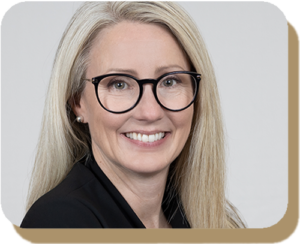
When you are facing challenges you never expected, Melinda Young is here to help. She will work with you to build a strong case right away. Your main focus should be on your health and well-being. Let us focus on getting you the best results possible.
Fighting for You.
Why Fair Traffic Creates More Collision Risks 
The Kansas State Fair attracts visitors from across Kansas to a concentrated area of Hutchinson. Traffic may build before concerts, weekend programs, evening events, and closing time. When many drivers arrive or leave at once, each driver has less room to correct a mistake.
Congestion does not cause every crash. Driver decisions during congestion often create the danger. A driver may follow too closely, look at a phone, change lanes without checking a blind spot, brake suddenly for a parking entrance, or turn across traffic after missing a route.
The fair includes activities throughout the day and evening, so traffic may rise in several waves. Families, employees, vendors, delivery drivers, rideshare vehicles, motorcycles, bicycles, and pedestrians may share the same area.
Common Kansas State Fair Traffic Hazards
Several conditions may increase the chance of a car accident near the fairgrounds and on routes through Hutchinson:
- Stop-and-go traffic: A distracted driver may not notice that vehicles ahead have slowed or stopped.
- Last-minute lane changes: Visitors using navigation apps may move suddenly after realizing that they need another turn or entrance.
- Crowded parking entrances: Drivers may brake without warning, cross lanes, or stop while looking for an open space.
- Pedestrian activity: Families, children, vendors, and employees may cross streets or walk between parked vehicles.
- Backing vehicles: Parking-lot collisions can happen when two drivers reverse at the same time or when a driver does not see a person walking behind a vehicle.
- Rideshare pickups and drop-offs: A vehicle that stops in an active lane can block traffic and reduce visibility.
- Fatigue, distraction, or impairment: Phones, conversations, late events, and alcohol can affect reaction time and judgment. Anyone who consumes alcohol should arrange a sober ride.
Melinda is an asset to the city of Hutchinson and its legal community. I know she treats her clients with compassion and professionalism. It's a privilege to provide her an endorsement.
Ethan

Nicholas
Gabriel
Rear-End Crashes in Slow Traffic
Rear-end collisions are a common risk when traffic moves in short bursts. A driver may accelerate when a line begins moving, then fail to notice that traffic has stopped again.
Even a low-speed collision can cause neck pain, back pain, headaches, or other symptoms. Some injuries are not obvious at the scene. Leave enough space to stop safely, and do not check messages or change navigation settings while your vehicle is moving.
Intersection and Turning Accidents
Heavy event traffic can make ordinary turns more difficult. A driver may misjudge the speed of an approaching vehicle, become impatient while waiting for an opening, or turn without seeing a motorcycle, bicycle, or pedestrian.
A visitor who realizes that a parking entrance is across the road may slow suddenly, cross a lane, and turn without confirming that the path is clear. Continue to a safe turnaround point instead of making an abrupt maneuver.
Use turn signals early, check mirrors and blind spots, and yield when required. Expect other drivers to make unexpected movements near busy entrances.
Parking-Lot and Pedestrian Collisions
Fair parking areas place moving vehicles near people who may be focused on children, bags, tickets, or finding an entrance. Drive slowly enough to stop for someone who steps from between parked vehicles.
Parents should not load or unload passengers in an active travel lane. Rideshare users should choose a pickup location where the driver can stop without blocking traffic or forcing passengers to cross a busy lane.
A parking-lot crash may appear minor, but it can still cause injuries and disputes about fault. Photographs of vehicle positions, damage, lighting, sight obstructions, pavement markings, and nearby signs can help explain what happened.
Common Mistakes in a Personal Injury Claim Choosing a Car Accident AttorneyRelated Videos
Safety Steps Before Driving to the Fair
Planning can lower stress and give you more time to react:
- Review your route, parking plan, and entrance information before leaving.
- Allow extra travel time so delays do not create pressure to speed or make sudden turns.
- Put your phone away and let a passenger manage directions when possible.
- Watch for pedestrians, bicycles, motorcycles, buses, delivery vehicles, and rideshare drivers.
- Keep enough distance to stop safely during slow or uneven traffic.
- Use a designated sober driver when alcohol is part of the outing.
- Remain patient when many vehicles leave at the same time.
- Make sure children enter and exit the vehicle from the safest available side.
- Confirm that everyone is wearing a seat belt before the vehicle moves.
What to Do After a Fair-Related Car Accident
The minutes after a crash can feel confusing in a crowded event area. Focus first on safety and medical needs.
- Move to a safer location when the vehicles can be moved without creating more danger.
- Call 911 when someone may be injured, traffic is blocked, a driver appears impaired, or law enforcement is needed.
- Exchange names, contact information, driver’s license details, license plate numbers, and insurance information.
- Photograph the vehicles, damage, roadway, parking area, traffic controls, debris, skid marks, and visible injuries when you can do so safely.
- Ask witnesses for their names and contact information.
- Seek prompt medical care, even when symptoms seem minor.
- Notify your insurance carrier and follow the reporting requirements in your policy.
- Save fair tickets, parking receipts, rideshare records, navigation history, and other records that may establish where you were and when the crash occurred.
A police report can document the drivers, vehicles, statements, and scene conditions. Read the firm’s guide about whether you need a police report for a Kansas car accident claim.
Medical symptoms may appear hours or days after a collision. A timely examination can identify injuries, begin treatment, and create a record of your symptoms. Learn more about seeking medical attention after an accident.
How Kansas Insurance and Fault Rules May Affect Your Claim
Kansas follows a no-fault system for certain initial injury benefits. Under K.S.A. 40-3107, Kansas motor vehicle liability policies generally must include personal injury protection benefits. PIP may cover qualifying medical expenses and other covered losses, subject to the policy, statutory limits, and legal exclusions.
You may also have a liability claim against an at-fault driver. Evidence may include the police report, photographs, witness statements, vehicle data, surveillance footage, medical records, and proof of lost income.
Kansas applies comparative negligence under K.S.A. 60-258a. You may recover damages when your assigned fault is less than the causal fault of the party or parties from whom you seek recovery. Your award is reduced by your percentage of fault.
For example, if your damages are $100,000 and you are found 20 percent at fault, the recoverable amount may be reduced to $80,000. If you are found 50 percent at fault and the only other driver is also found 50 percent at fault, you generally cannot recover from that driver.
This rule can matter in congested fair traffic because an insurer may claim that both drivers contributed to the collision. One driver may have changed lanes without enough space while another followed too closely. Read more about comparative negligence in Kansas.
Compensation That May Be Available
The compensation available after a Kansas car accident depends on the evidence, insurance coverage, fault allocation, and severity of the injuries. A claim may include:
- Medical treatment and future care supported by evidence
- Lost wages and reduced earning capacity
- Vehicle repair or replacement costs
- Other damaged property
- Pain, physical limitations, emotional distress, and loss of normal activities
- Other documented accident-related expenses
Kansas law generally provides a two-year filing period for many personal injury actions under K.S.A. 60-513. Exceptions and different deadlines may apply, especially when a government entity, a minor, or another special circumstance is involved. Delays can also make photographs, video, witnesses, and other evidence harder to locate.
The firm provides more information about the Kansas personal injury statute of limitations.
How a Kansas Car Accident Lawyer Can Help
A lawyer can investigate the collision, identify available insurance coverage, preserve evidence, calculate losses, communicate with adjusters, and assess whether a proposed settlement reflects the full effect of the injuries.
Legal representation may be useful when fault is disputed, several vehicles are involved, a pedestrian is injured, an insurer requests a recorded statement, or symptoms require ongoing treatment.
A Kansas car accident lawyer can review statements and records before an insurer uses them to reduce or deny a claim. Legal guidance can give you a clear plan while your attorney handles the insurance and legal issues.
Speak With a Kansas Car Accident Lawyer After a Hutchinson Crash
A trip to the Kansas State Fair should end with good memories, not unanswered questions about medical bills, missed work, and insurance calls.
If you were injured in a fair-related crash in Hutchinson or another Kansas community, Melinda Young Law offers a no-cost consultation. The firm can review what happened, explain possible next steps, and help you understand your legal options.
Learn more about attorney Melinda Young, contact the firm online, or call or text 620-501-8080.
This article is for general informational purposes only. It is not legal advice and does not create an attorney-client relationship. Speak with an attorney about your specific circumstances.